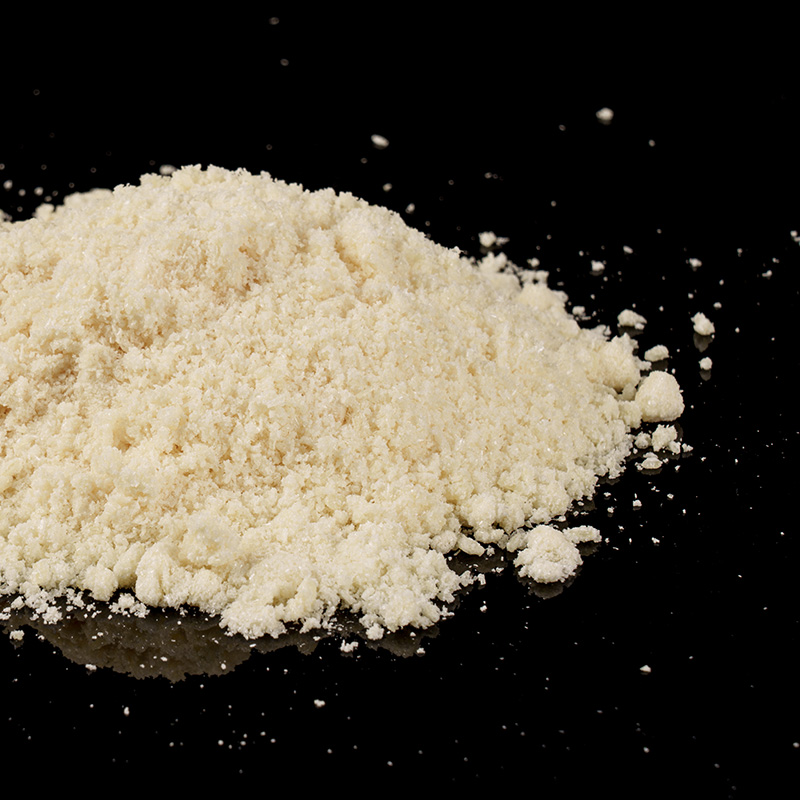
5-Hydroxymethylfurfural (HMF): Two Lives of a Remarkable Molecule
HMF is already part of your morning routine. The brown note in your coffee, the amber depth of honey, the darkened edge of a caramelized crust — all of them carry traces of 5-hydroxymethylfurfural. The same molecule that appears quietly in your kitchen has become one of the most closely watched building blocks in industrial biotechnology. Between those two lives lies a chemical story worth understanding.
What Is 5-Hydroxymethylfurfural?
5-Hydroxymethylfurfural — commonly shortened to HMF or 5-HMF — is a small organic molecule formed when hexose sugars such as fructose and glucose lose three molecules of water under heat and acidic conditions. Its formula is C6H6O3 and its structure appears deceptively simple: a furan ring with an aldehyde group on one side and a hydroxymethyl group on the other.
That geometry is responsible for nearly everything HMF does. The aldehyde group provides a handle for condensation, reduction, and amination. The hydroxymethyl group opens routes toward etherification, esterification, and oxidation. The furan ring between them supplies rigidity, giving polymer chemists the structural stiffness usually found only in aromatic, fossil-derived monomers.
Known since the nineteenth century, HMF has moved to industrial prominence in the past two decades, driven by the search for renewable alternatives to petroleum aromatics.
A Platform Molecule Defined by Two Functional Groups
What separates HMF from most renewable chemicals is its dual functionality. Many bio-based building blocks offer a single reactive site. HMF offers two, positioned on a stable cyclic backbone, which makes it a genuine platform molecule rather than a niche intermediate.
A platform molecule, in practical terms, is a compound from which a diverse product family can be derived with only a few scalable transformations. HMF can be oxidized, hydrogenated, aminated, esterified, or etherified in several directions:
- Oxidation gives FDCA, the monomer behind the polyester PEF.
- Hydrogenation gives 2,5-furandimethanol (FDM) and, with deeper saturation, THFDM.
- Reductive amination gives diamines such as BAMTHF for nylons and epoxy curing agents.
- Direct functionalization gives crosslinkers, reactive diluents, and resin intermediates.
HMF is not a drop-in substitute. It is a molecule with its own reaction logic — a rigid ring bearing two different handles — which is why materials built from it often outperform simple replacements.
From Sugar Biomass to Industrial Monomer
On paper, HMF production is one of the oldest known sugar transformations: heat sugars with acid. In practice, industrial production is a balancing act.
The classic route is acid-catalyzed dehydration of fructose or glucose, typically in water or a biphasic solvent system:
- Sugar feedstock — derived from starch, cellulose, sucrose, or agar — is dissolved and heated with an acid catalyst.
- Three equivalents of water are removed as the hexose rearranges into the furan ring.
- The crude HMF is extracted quickly, since it can rehydrate into levulinic or formic acid or form insoluble humins.
- Purification removes residual acids, sugar fragments, and colored byproducts before the product is stabilized for shipment.
The decisive challenge is selectivity. Under-convert and you recover sugar; over-convert and you lose yield to degradation products. That is why consistent HMF has historically come from dedicated producers, and why scale — not purity claims alone — tells you whether a supply source is real. The technical note on 5-HMF structure, production, purity, and industrial sourcing walks deeper into these trade-offs.
The Food Science Connection
Many people first meet HMF in food chemistry. It forms during roasting, baking, frying, and caramelization, and accumulates in products stored at warm temperatures. Coffee, honey, concentrated juices, and bakery crusts all contain measurable amounts. In food science, HMF serves as a process indicator: its concentration tracks how much heat a product has seen.
Info: In food, HMF is a marker of thermal history rather than a deliberate ingredient. Decades of research into its occurrence in common foods have produced mature analytical methods and a well-documented stability profile.
That research history also benefits industrial buyers. Because HMF's degradation pathways and analytical methods are already mapped, adopting it as a monomer does not start from a blank page; its storage behavior, reaction tendencies, and stability envelope are unusually well understood.
Derivatives: One Furan Ring, Many Materials
HMF's real value appears downstream. Its two functional groups and rigid ring support a family of derivatives, each aimed at a different material class.
HMF itself is supplied as a crystalline solid or a stabilized melt, and it remains the common starting point for the entire furan family. The practical topology:
 5-Hydroxymethylfurfural (HMF), the Key Bio-Based Platform ChemicalThis is the foundational furan building block from which FDCA and other high-value derivatives are made. Its high reactivity enables a wide range of chemical transformations, making it essential for exploring the downstream furan product family.View Product →
The HMF derivatives family spans acids, esters, diols, diamines, and dialdehydes — a functional range few renewable platforms can match.
| Derivative |
Functional character |
Material direction |
| FDCA |
dicarboxylic acid |
PEF polyester, polyamides, plasticizers |
| FDME |
diester |
polymerization-grade monomer |
| FDM |
diol |
polyurethanes, unsaturated polyesters, solvents |
| THFDM |
saturated diol |
performance coatings, specialty resins |
| BAMTHF |
diamine |
epoxy curing agents, polyamides |
| THFDCA |
saturated diacid |
specialty polyesters, complexing agents |
| OBMF |
dialdehyde |
crosslinkers, thermosets, resin modifiers |
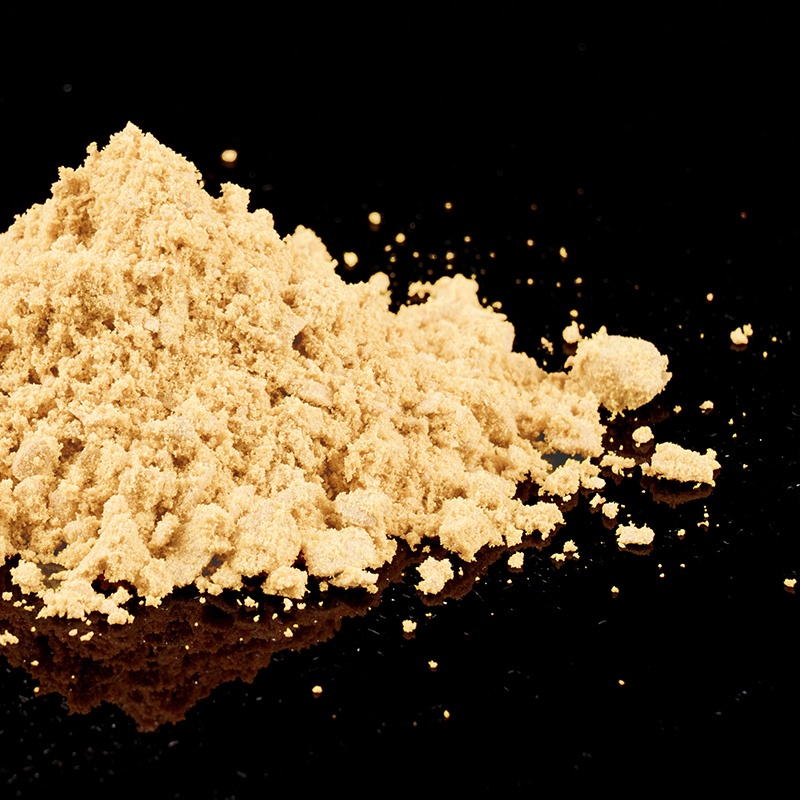
Two derivatives deserve special attention. Oxidation converts HMF into 2,5-furandicarboxylic acid (FDCA), the monomer behind PEF, and FDCA is the closest of the HMF derivatives to broad commercialization.
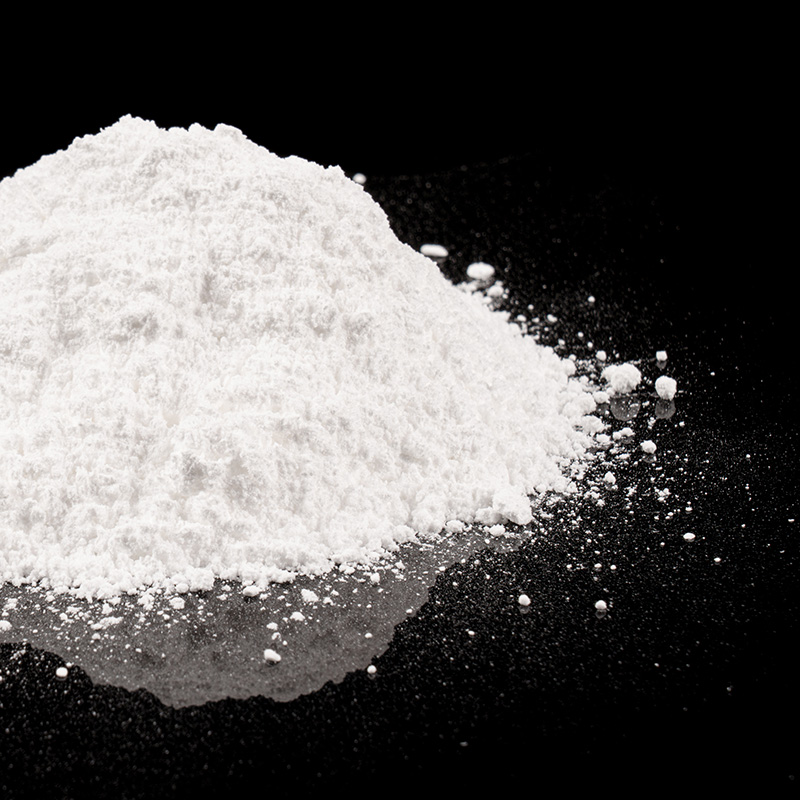 2,5-Furandicarboxylic Acid (FDCA), the PEF MonomerListed as the direct oxidation product of HMF, FDCA is the closest derivative to broad commercialization and the essential monomer for PEF. Its similarity to terephthalic acid positions it as a promising renewable substitute in polymer production.View Product →
Its position as the direct oxidation product of HMF makes it the natural bridge between biomass and high-performance polyesters.
PEF, poly(ethylene 2,5-furandicarboxylate), sits at the polymer end of the chain. It can be processed with equipment familiar from conventional polyester manufacturing and has drawn serious interest for its gas-barrier and thermal performance relative to PET.
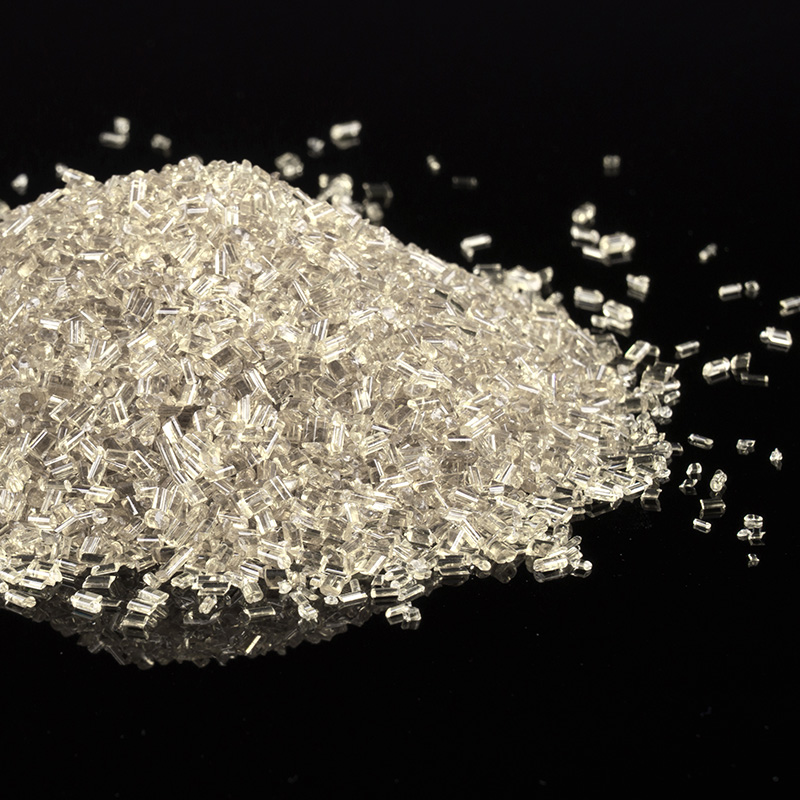 Poly(ethylene 2,5-furandicarboxylate) (PEF), the Bio-Based PolyesterThis material represents the polymer end of the furan chain, offering improved gas barrier, thermal, and mechanical properties compared with PET. It is relevant here because it highlights the practical value of pursuing FDCA and HMF derivatives.View Product →
Purity, Stability, and Specification Reality
HMF is reactive by design, and reactivity has a price. Storage stability, purity profile, and thermal robustness vary noticeably from supplier to supplier.
Under poor conditions — residual moisture, warmth, or lingering acidity — HMF dimerizes, oxidizes, or rehydrates within weeks. Material that passes incoming inspection can drift out of spec before reaching the reactor. Acceptance testing and storage guidance are process parameters, not paperwork.
Purity adds another layer. "HMF" describes a range of products: two lots with the same assay can differ in water content, acid number, color, and impurities. Some impurities are harmless in theory and destructive in practice, discoloring a polyester or shifting a hydrogenation rate at ppm levels.
Warning: Do not assume two HMF lots are interchangeable because the assay matches. Water content, acid number, APHA color, and residual levulinic acid can vary from lot to lot, and each one can alter reaction kinetics or final polymer color. Buyers usually discover this after losing a batch.
Five parameters that separate controlled industrial HMF from laboratory material.
| Parameter |
Why it matters |
Typical industrial expectation |
| Assay (HPLC) |
Active content drives stoichiometry |
98% or higher |
| Water content |
Moisture accelerates hydrolysis and storage drift |
0.5% or less |
| Acid number |
Residual acid catalyzes degradation and side reactions |
Low and explicitly stated |
| Color (APHA) |
Color carries into polymers and coatings |
Consistent per grade |
| Thermal stability |
Defines safe dispatch and storage windows |
Documented by the producer |
Sourcing HMF for Real Production
The last question is the least glamorous and the most consequential: who actually produces the HMF, and at what scale.
A mature supplier is not a stockist holding a few drums of reagent. It is a company running dedicated production lines at ton scale, with controlled feedstock intake and quality systems. The most telling sign is integration: producers who also make FDCA, polymer grades, or other downstream derivatives measure quality against real process performance, and that discipline appears in tighter specifications.
Success: A meaningful sign of a mature partner is a chain that runs from HMF through platform derivatives to polymer material — not HMF as an isolated catalog item. When the producer knows what an intermediate must survive downstream, the specification becomes a practical contract.
Danger: The opposite signal is a supplier offering HMF with no stated water content, no acid value, no color range, and no storage guidance. With a molecule this reactive, an empty specification is a risk you accept on the supplier's behalf.
Ask about packaging, storage windows, and whether the producer has reference data from FDCA synthesis or polymerization trials. In a market where production volume is concentrated, these details separate a trusted partner from a trader with a label.
HMF occupies an unusual position in industrial chemistry: old enough to be thoroughly studied, new enough that supply discipline is still being built. For chemists, it is a molecule of uncommon richness. For buyers, it is becoming a specification-driven commodity. The two perspectives converge on a single rule — understand the chemistry first, then verify the material. Companies that follow both halves will be the ones converting renewable biomass into durable, high-value materials.